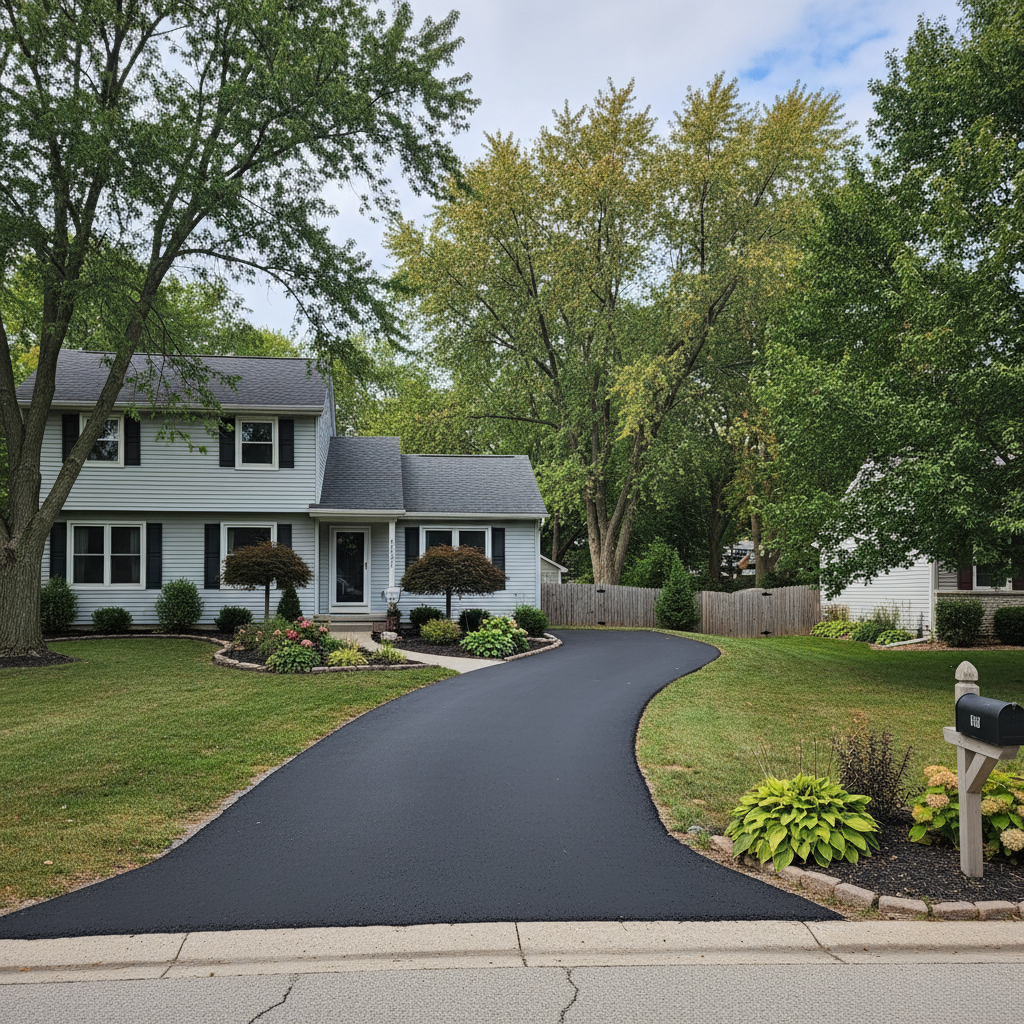
So, you're ready to tackle that old, cracked-up driveway, huh? Good for you. A new asphalt driveway isn't just about curb appeal; it's about safety, functionality, and protecting your investment. But it's also a big project, and you want to make sure it's done right. As someone who's been laying asphalt here in Kalamazoo for years, I've seen it all. Let me walk you through what you need to know to get this done without a headache.
Setting Your Project Timeline
First things first: timing. This isn't a weekend DIY job. From when you first start thinking about it to when you're driving on that fresh asphalt, you're looking at a few weeks, sometimes a month or two, depending on the season and how busy we are. Here's a rough breakdown:
- Research & Quotes (2-4 weeks): Don't rush this. Get at least three quotes. Talk to neighbors, check reviews. You're looking for quality and reliability, not just the lowest price.
- Contract Signing & Scheduling (1-2 weeks): Once you pick a contractor, get that contract signed. Good contractors, especially during peak season (spring/fall), often have a backlog. Don't expect us to show up tomorrow.
- Permits (1-3 weeks, if needed): Most residential driveway replacements don't need a city permit in Kalamazoo unless you're changing the footprint significantly or tying into a public road in a new way. Your contractor should know this, but it's good to ask.
- The Work Itself (2-5 days): This is the actual paving. It's fast, but it's intense.
- Curing Time (3-7 days): After we're done, you can't drive on it right away. It needs to cure. We'll tell you exactly how long.
Factor in Kalamazoo's weather, too. We can't pave in the rain or when it's too cold. Spring and fall are ideal, but they're also our busiest times.
What to Expect During the Process
When the crew shows up, things are going to get loud and busy. Here's the general flow:
- Demolition: We'll rip out the old driveway. Expect dust, noise, and big equipment. If your old driveway is concrete, it's a bigger job than just old asphalt.
- Grading & Base Prep: This is arguably the most critical step. We're shaping the ground, making sure water will drain away from your house, not towards it. We'll lay down a solid aggregate base – usually crushed stone – and compact it thoroughly. This is where a lot of contractors cut corners, but a good base is what makes your driveway last, especially with our clay soils around areas like the Westnedge Hill neighborhood.
- Binder Layer (if needed): For thicker, heavier-duty driveways, we might put down a binder layer first.
- Asphalt Paving: This is the hot stuff. We'll lay down the hot mix asphalt, spread it evenly, and then compact it with heavy rollers. It'll be steaming and smelling like asphalt.
- Compaction & Finishing: More rolling to get that smooth, dense finish. We'll make sure the edges are clean and neat.
It's a pretty orchestrated dance, and a good crew makes it look easy.
How to Prepare Your Property
Before the crew arrives, do yourself and us a favor:
- Clear the Area: Move your cars, bikes, trash cans, planters, anything that's in or near the driveway.
- Trim Landscaping: If you have bushes or tree branches hanging over the driveway, trim them back. We need room to work with our equipment.
- Mark Sprinkler Heads: If you have an irrigation system, clearly mark any sprinkler heads or buried lines near the driveway edges. I can't tell you how many times we've accidentally clipped one because we didn't know it was there.
- Secure Pets & Kids: This is a construction zone. Keep pets indoors and kids away from the work area for their safety.
- Plan for Parking: You won't have access to your driveway for a few days, so figure out where you're going to park your vehicles.
Questions to Ask Before Signing a Contract
Don't just sign the first thing put in front of you. Ask these questions:
- What's the exact thickness of the asphalt you'll be laying? For residential, I usually recommend at least 2.5 to 3 inches of compacted asphalt on top of a well-prepared base.
- What kind of base material do you use, and how thick will it be? You want a good, compacted aggregate base, usually 6-8 inches for a residential driveway.
- How do you handle drainage? This is crucial. Make sure they have a plan to direct water away from your home.
- Is your company licensed and insured? Ask for proof. You don't want liability if someone gets hurt on your property.
- Do you offer a warranty? What does it cover, and for how long? A reputable contractor will stand behind their work. Here at Fortune Asphalt Kalamazoo, we always do.
- Can you provide references? And actually call them! Ask about their experience, professionalism, and if they stuck to the timeline and budget.
- What's the payment schedule? Never pay the full amount upfront. A reasonable deposit (25-50%) is common, with the balance due upon satisfactory completion.
- What's included in the price? Make sure the quote is detailed – demolition, base, asphalt, labor, cleanup, everything. No surprises.
Taking the time to plan and ask the right questions will save you a lot of grief. A new driveway is a big investment, and you deserve a job that's done right and lasts for years. Good luck with your project!