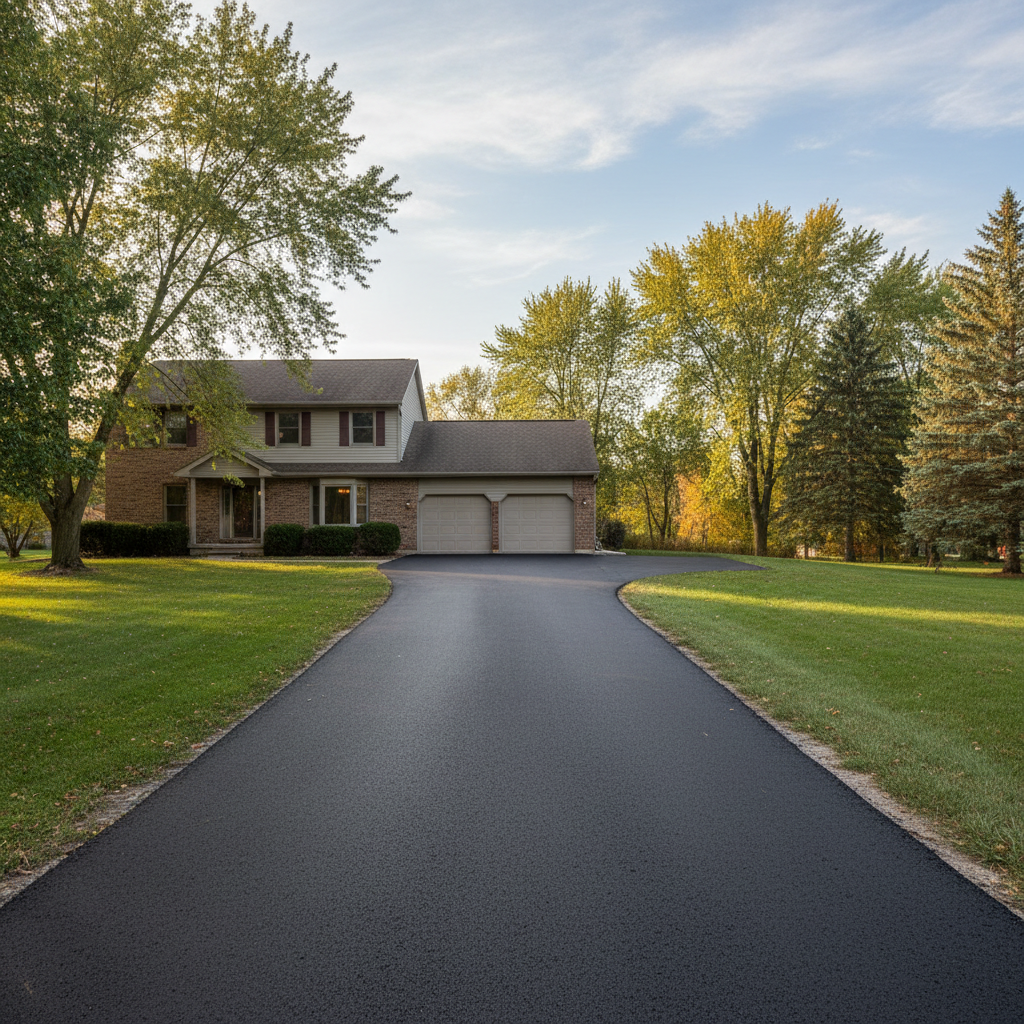
So, you need a new driveway, or maybe some serious repair work, and you're trying to figure out who to call. It's a big investment, after all, and you really don't want to just throw your money away on a bad job. I've been in this business a long time, right here in Kalamazoo, and believe me, I've seen it all. Here's my honest take on how to pick a good asphalt contractor.
Questions to Ask Any Asphalt Contractor
Once you've got a few names, don't just pick the first one who answers the phone. You've got to ask some tough questions. This isn't just about getting a price, you know; it's about understanding exactly what you're paying for and, more importantly, who you're dealing with.
"How long have you been in business under this name?" This one's crucial. Anyone can get a business license tomorrow. You want someone established, someone who's been around long enough to build a reputation—good or bad.
"Can you provide references from recent jobs, similar to mine?" A good contractor won't bat an eye. Call those references! Ask if the job finished on time, if the crew was professional, and if they'd hire them again. That's how you get real insight.
"What's your process for this specific job?" Don't let them just say, "Oh, we'll pave it." Make them explain everything. Are they excavating? What kind of base material are they using? How many layers of asphalt will there be? What about the thickness of each layer? The more detail, the better. For example, if you live in an older neighborhood like Westnedge Hill, where the soil can be a weird mix of clay and sand, proper base preparation is absolutely critical to avoid cracks later on.
"What kind of warranty do you offer, and what does it cover?" A reputable company stands behind its work. Make sure you get that warranty in writing, and understand all its terms. Does it cover material defects? What about workmanship? And for how long?
"Are you insured and licensed? Can I see proof?" This isn't optional, folks. They should have general liability insurance and workers' compensation. If they don't, and someone gets hurt on your property, or they damage something, you could be stuck with the bill. Don't just take their word for it; ask for current certificates.
What to Look for in a Quote
You'll probably get a few quotes, but they're rarely apples to apples. You really need to scrutinize them carefully.
Detailed Breakdown: A solid quote isn't just one big number. It should list everything: excavation, base material (type and depth), asphalt layers (type and thickness), drainage solutions, edging, and any other specific site prep. If it's just a lump sum, consider that a red flag. Seriously.
Material Specifications: The quote should clearly state the type of asphalt mix they're planning to use. There are different grades, and some work much better for driveways than others. If they don't mention it, ask them.
Total Thickness: This is a big deal. For a residential driveway, you're generally looking for a compacted thickness of at least 2-3 inches of asphalt on top of a well-prepared base. Anything less, and you'll likely see cracks and potholes much sooner than you'd like.
Payment Schedule: A reasonable payment schedule usually means an initial deposit (often 10-30%), with the rest due once the job is satisfactorily finished. Be very wary of anyone asking for 50% or more upfront, especially if they want cash.
Inclusions and Exclusions: Make sure it's super clear what's included in the price and what isn't. Are they hauling away debris? Is site cleanup part of the deal? No one likes surprises later.
Red Flags You Can't Ignore
There are some really clear warning signs that should tell you to just run the other way.
Door-to-Door Sales: "We just finished a job down the street, and we have some asphalt left over. We can give you a great deal today!" This is a classic scam, trust me. Reputable contractors don't operate this way. They schedule, they quote, they plan.
Cash-Only Deals: If they insist on cash and offer a huge discount for it, that's a massive red flag. It usually means they're trying to avoid taxes, and if they're cutting corners there, where else are they cutting corners?
No Contract or Vague Contract: Always, always get a detailed, written contract. If they seem hesitant or give you some flimsy piece of paper, just walk away. The contract protects both of you.
High-Pressure Tactics: "This offer is only good if you sign today!" Don't fall for that. A good contractor will give you time to think about the quote and ask questions.
Unusually Low Bid: If one quote is way lower than all the others, be very suspicious. They're probably cutting corners on materials, labor, or both. You really do get what you pay for, especially when it comes to asphalt.
How to Verify Legitimacy
Once you've got a contractor in mind, do your homework.
Check Online Reviews: Google, Yelp, the Better Business Bureau (BBB) – see what other people are saying. Look for patterns in complaints or praise.
Verify Insurance and Licensing: Ask for certificates of insurance directly from their insurance provider, not just a copy from the contractor. Call the issuing agency to confirm they're current. For licensing, check with your city or county if local licensing is required for paving. Michigan doesn't have a statewide paving contractor license, but local municipalities might.
Physical Address: Do they have a real, local office or yard? Or is it just a P.O. box or a residential address far away? A local presence, like Fortune Asphalt Kalamazoo, means they're invested in the community and much easier to track down if there's an issue.
Ask for a Site Visit: A good contractor will want to see your property in person to give an accurate quote. They'll assess drainage, existing conditions, and access. If they quote over the phone without even seeing the site, that's a problem.
Taking the time to do this upfront research will save you a lot of headaches and money down the road. It's your property, your investment. Make sure you're hiring someone you can truly trust to do it right.